In the efforts to build roads, houses, offices and commercial centres to create economic stability, green spaces including parks, are often treated as optional extras…pleasant to have, but easy to postpone or sacrifice. That thinking is deeply flawed. Parks are not a luxury. They are essential public infrastructure, and societies that neglect them tend to pay the price in poorer health, weaker communities and less resilient cities.
At their core, parks are about people. They are among the few truly democratic spaces left in modern life. That sense of quiet equality matters. Parks are open to everyone, regardless of income, age or social standing. People from all walks of life can enjoy their amenities and mix and mingle. In a park, a child from a low-income household can play alongside one from a gated community. A senior citizen can sit under a tree without having to buy a meal or a ticket.
The public health case alone should make parks non-negotiable. At a time when non-communicable diseases, stress and mental health challenges are on the rise, parks offer a free, accessible remedy. They encourage physical activity, reduce anxiety and provide relief from the concrete and noise of urban life. A short walk in a green space can possibly do more for a person’s well-being than many health and social interventions, at no cost.
Parks are also classrooms without walls. Long before formal schooling begins, open spaces teach children about cooperation, creativity and resilience through play. As phone, tablet and television screens increasingly dominate childhood, parks offer something irreplaceable…movement, imagination and real-world interaction. When parks are neglected, children lose more than grass and swings, they lose formative experiences.
Parks are also natural environmental defences. Trees cool overheated towns, absorb carbon, filter pollution and manage stormwater. In a climate-vulnerable country like Jamaica, replacing green spaces with concrete only worsens flooding, heat stress and environmental degradation.
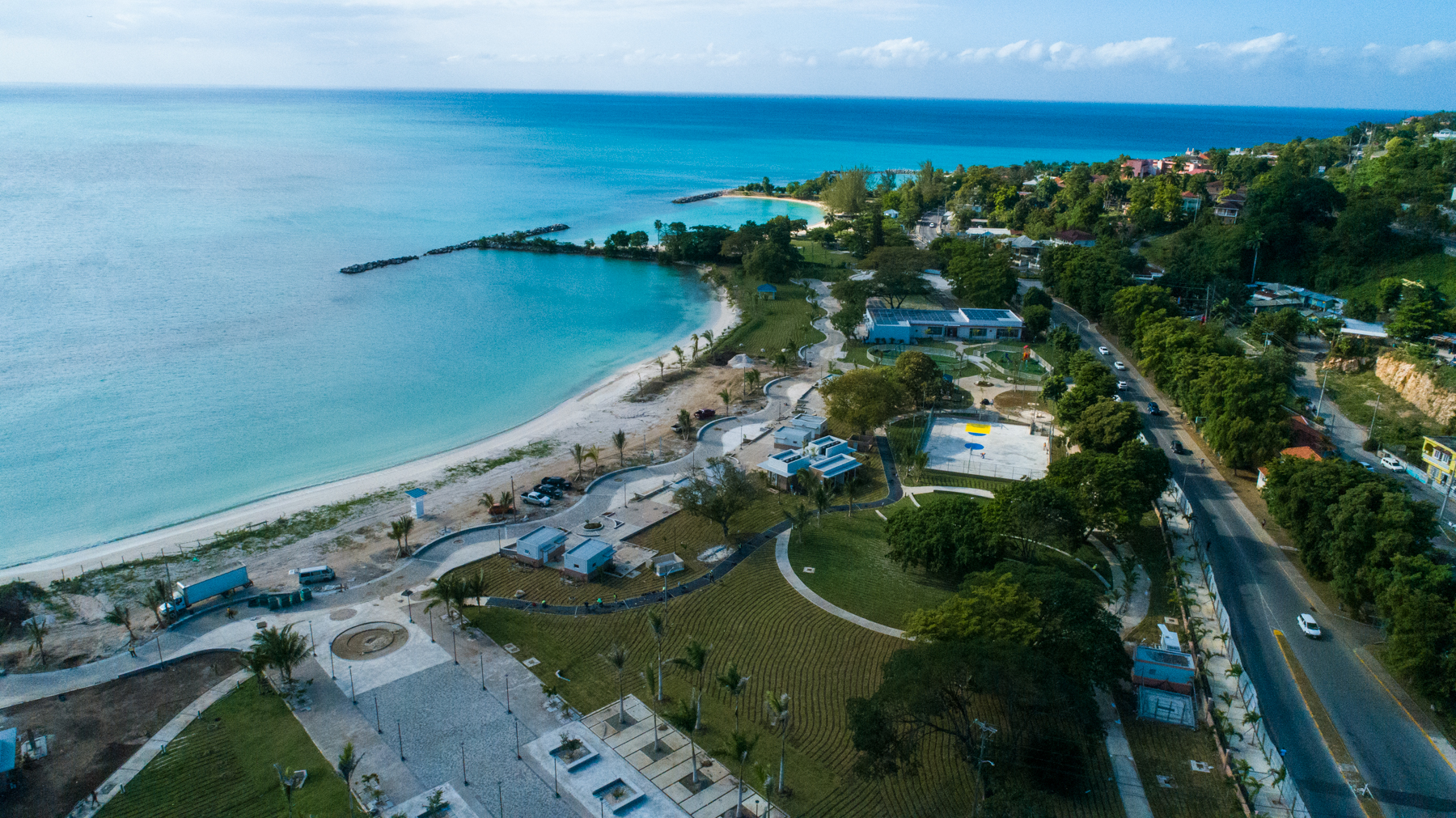
With the recognition that well-designed parks increase property values, attract visitors, support small businesses and make towns more competitive, the Ministry of Economic Growth and Infrastructure Development (MEGID) through its Urban Renewal and Development Branch, is continuing the effort to upgrade public parks across the island.
The Ministry has been working to upgrade community pocket parks islandwide but has turned its attention to three national parks.
They are:
· The JAG Myers Park in Black River, St. Elizabeth, which is slated to be redeveloped as part of the Community Upgrade and Beautification Project
· The Neville Antonio Park in Port Antonio, Portland which will undergo modernisation to improve its utility and aesthetics and
· The Rudolph Elder Park in Morant Bay, St. Thomas which will introduce improved infrastructure, recreational facilities, water features, sporting courts and commercial opportunities
Plans are currently underway for the Rudolph Elder Park upgrading. The park, which is named after the late influential local property owner and political figure, is a key recreational and historical site. Over the years, it has served as a community hub for relaxation and transit.
The project, which is being funded by the MEGID, is expected to go to tender shortly. It will significantly improve the park’s infrastructure while creating a more modern, accessible and welcoming space for residents and visitors.
Beyond the long-term social, health and environmental costs, the development of the Rudolph Elder Park is a reminder that parks can honour history while supporting modern community life. Properly done, such investments uplift towns, strengthen social bonds and stimulate local economies.
Indeed, the vision for urban renewal speaks to “safe, vibrant, inclusive and sustainable urban centres providing all users with adequate services for an enhanced quality of life through effective partnerships and networks”.
The measure of a society, therefore, is not only how many buildings supporting housing and commerce exist, but how well it cares for the shared spaces between these buildings. Well-developed and properly maintained parks tell us whether we value community over congestion, well-being over expediency, and long-term resilience over short-term profit.
If we are serious about sustainable development, social equity and quality of life, then parks must be treated with the same seriousness as roads, housing and utilities. Because a city without parks may function, but it will never truly thrive.