
Category: EDUtorial
Parks Are Not a Luxury – They Are Public Infrastructure
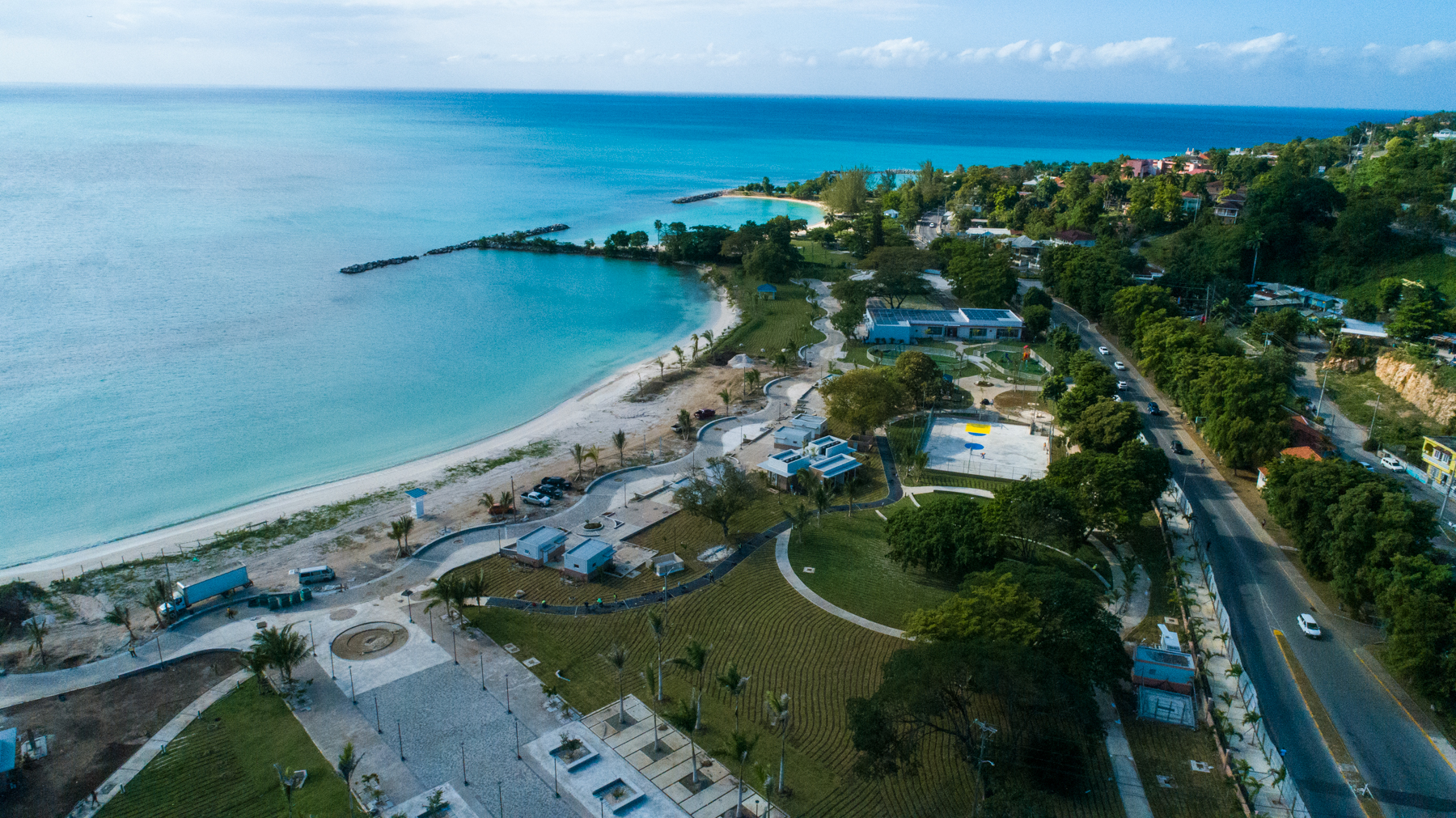
In the efforts to build roads, houses, offices and commercial centres to create economic stability, green spaces including parks, are often treated as optional extras…pleasant to have, but easy to postpone or sacrifice. That thinking is deeply flawed. Parks are not a luxury. They are essential public infrastructure, and societies that neglect them tend to pay the price in poorer health, weaker communities and less resilient cities.
At their core, parks are about people. They are among the few truly democratic spaces left in modern life. That sense of quiet equality matters. Parks are open to everyone, regardless of income, age or social standing. People from all walks of life can enjoy their amenities and mix and mingle. In a park, a child from a low-income household can play alongside one from a gated community. A senior citizen can sit under a tree without having to buy a meal or a ticket.
The public health case alone should make parks non-negotiable. At a time when non-communicable diseases, stress and mental health challenges are on the rise, parks offer a free, accessible remedy. They encourage physical activity, reduce anxiety and provide relief from the concrete and noise of urban life. A short walk in a green space can possibly do more for a person’s well-being than many health and social interventions, at no cost.
Parks are also classrooms without walls. Long before formal schooling begins, open spaces teach children about cooperation, creativity and resilience through play. As phone, tablet and television screens increasingly dominate childhood, parks offer something irreplaceable…movement, imagination and real-world interaction. When parks are neglected, children lose more than grass and swings, they lose formative experiences.
Parks are also natural environmental defences. Trees cool overheated towns, absorb carbon, filter pollution and manage stormwater. In a climate-vulnerable country like Jamaica, replacing green spaces with concrete only worsens flooding, heat stress and environmental degradation.
With the recognition that well-designed parks increase property values, attract visitors, support small businesses and make towns more competitive, the Ministry of Economic Growth and Infrastructure Development (MEGID) through its Urban Renewal and Development Branch, is continuing the effort to upgrade public parks across the island.
The Ministry has been working to upgrade community pocket parks islandwide but has turned its attention to three national parks.
They are:
· The JAG Myers Park in Black River, St. Elizabeth, which is slated to be redeveloped as part of the Community Upgrade and Beautification Project
· The Neville Antonio Park in Port Antonio, Portland which will undergo modernisation to improve its utility and aesthetics and
· The Rudolph Elder Park in Morant Bay, St. Thomas which will introduce improved infrastructure, recreational facilities, water features, sporting courts and commercial opportunities
Plans are currently underway for the Rudolph Elder Park upgrading. The park, which is named after the late influential local property owner and political figure, is a key recreational and historical site. Over the years, it has served as a community hub for relaxation and transit.
The project, which is being funded by the MEGID, is expected to go to tender shortly. It will significantly improve the park’s infrastructure while creating a more modern, accessible and welcoming space for residents and visitors.
Beyond the long-term social, health and environmental costs, the development of the Rudolph Elder Park is a reminder that parks can honour history while supporting modern community life. Properly done, such investments uplift towns, strengthen social bonds and stimulate local economies.
Indeed, the vision for urban renewal speaks to “safe, vibrant, inclusive and sustainable urban centres providing all users with adequate services for an enhanced quality of life through effective partnerships and networks”.
The measure of a society, therefore, is not only how many buildings supporting housing and commerce exist, but how well it cares for the shared spaces between these buildings. Well-developed and properly maintained parks tell us whether we value community over congestion, well-being over expediency, and long-term resilience over short-term profit.
If we are serious about sustainable development, social equity and quality of life, then parks must be treated with the same seriousness as roads, housing and utilities. Because a city without parks may function, but it will never truly thrive.
Geospatial Technology – Turning Data into Action After Hurricane Melissa
When Hurricane Melissa slammed into Jamaica, it left behind more than devastation. The storm sparked a technological response unlike anything the nation had seen before. Leveraging advanced geospatial technology, Jamaica transformed crisis into action, turning satellite data into a blueprint for recovery.
In the immediate aftermath of the Category-5 storm, high-resolution satellite imagery and ICEYE radar scans assessed over 960,000 buildings nationwide. The findings were sobering.
According to the National Spatial Data Management Branch (NSDMB) of the Ministry of Economic Growth and Infrastructure Development, nearly 20% of buildings, approximately 191,000 structures, sustained damage. Of those, about 146,000 buildings (15%) suffered major to severe structural impacts, including total collapse or extensive roof and wall failures.
This nationwide assessment was conducted with an 88% confidence level, underscoring its reliability.
As Alicia Edwards, Principal Director of the NSDMB, explained, the data revealed a clear geographic pattern:
“Damage was heaviest along the hurricane’s path in western Jamaica. St. Elizabeth, Westmoreland, St. James, and Hanover recorded the highest concentrations of damaged buildings, aligning with where Melissa made landfall and caused the most intense winds.”
In some hard-hit western communities, over 40% of buildings were damaged or destroyed, a stark reminder of the storm’s localised power. Meanwhile, central and eastern regions experienced far less damage, illustrating Melissa’s uneven but devastating footprint.
From Imagery to Immediate Action
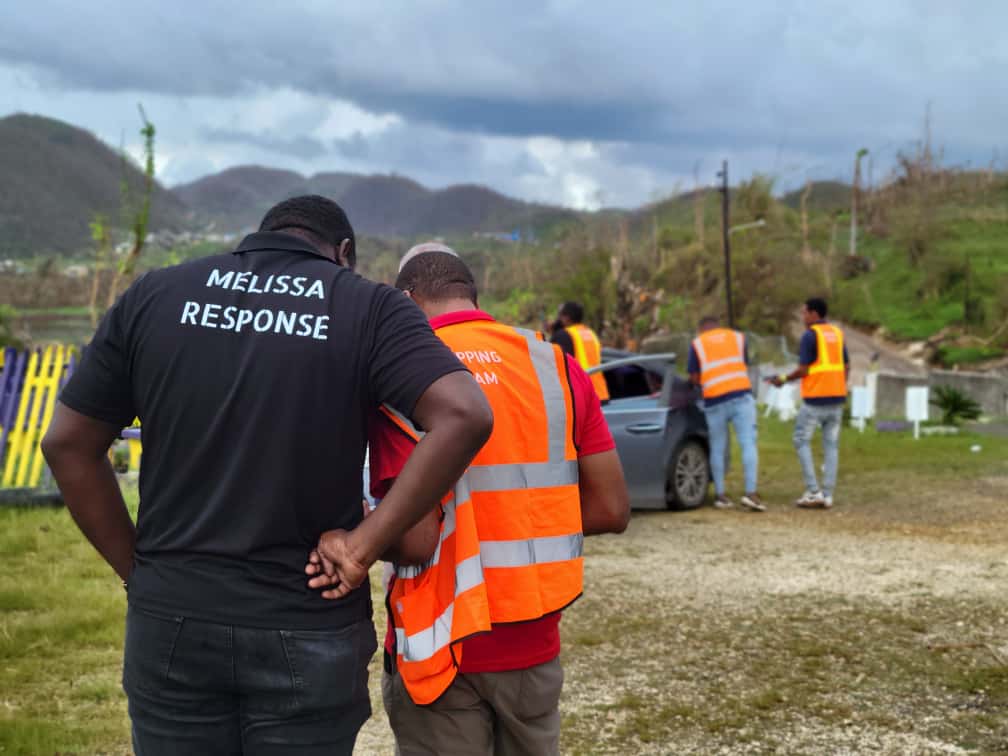
What sets Jamaica’s response apart is how quickly this data was put to use. Geospatial intelligence is now driving decision-making on the ground.
Agencies such as the Office of Disaster Preparedness and Emergency Management (ODPEM) and the NSDMB are using GIS damage maps to determine everything, from where relief supplies should be sent to which repair teams go where.
According to Ms. Edwards, “the high-detail damage maps are being shared across government ministries, providing a common operational picture. Field teams, including units from the Jamaica Defence Force, are using the maps to verify conditions in each community and fast-track the distribution of repairs.”
The result is unprecedented coordination. Teams in the field are not guessing, they are guided by real-time spatial intelligence.
Informing Long-Term Recovery
Beyond emergency response, the data is now shaping Jamaica’s Post-Disaster Needs Assessment. The GIS findings are being integrated into national recovery strategies through the Planning Institute of Jamaica (PIOJ) and helping to design a resilient housing recovery programme.
“The satellite and GIS damage data are central to the recovery process,” Ms. Edwards emphasised. “They allow agencies to act quickly, transparently, and confidently in the aftermath of Melissa.”
Next Steps: Mapping, Validating, Rebuilding
The work is ongoing. The NSDMB, along with partners in the National Emergency Response Geographic Information Systems Team (NERGIST), continue to refine the data using satellite imagery, drone flyovers, and field reports.
This next phase focuses on:
- Validating initial findings
- Filling data gaps in previously inaccessible communities
- Identifying exactly which structures need repair or rebuilding
- Layering maps with roads, utilities, and hazard zones to guide reconstruction
This approach does more than document destruction. It shapes a safer future.
Data as Jamaica’s Blueprint for Resilience
As the nation moves from response to reconstruction, all collected geospatial data will be integrated into Jamaica’s national spatial data infrastructure, informing planners, policymakers, and future disaster strategies.
Ms. Edwards underscores the significance.
“This first-of-its-kind national satellite-based damage assessment has provided valuable lessons. By institutionalising rapid mapping, Jamaica will be even better prepared with up-to-date maps and data when the next disaster strikes.”
The message is clear. Data is not just information. It is preparedness. It is coordination. It is resilience.
When the next storm comes, Jamaica will be prepared to meet it – faster, smarter, and stronger.

OPINION PIECE FOR PLASTIC FREE SUMMER
A Commitment to Our Future: Embracing a Plastic Free Summer and Beyond
As we enjoy the vibrant days of summer, surrounded by the natural beauty that defines our island home, Jamaica, we must also confront a pressing reality: the impact of plastic pollution on our environment. This summer, through the Ministry of Economic Growth and Job Creation’s (MEGJC) 2025 Plastic Free Summer (PFS) Campaign, which coincides with the global observance of Plastic Free July, there is a call to action for every Jamaican to “Break Up with Plastic” and embrace sustainable alternatives, ensuring a cleaner, healthier future for generations to come.
Jamaica has made commendable progress in environmental protection, with the Ministry leading the charge and having primary responsibility for drafting the policies related to protected areas, environmental management and sustainable development.
Policies such as the Protected Areas Policy (Green Paper) and overarching legislation to manage our protected areas, will play a critical role in conserving the island’s natural resources and biodiversity in our ecologically sensitive areas.
The implementation of the fourth phase of the Government’s ban on single-use plastics marks another pivotal moment in our journey towards environmental sustainability.
Having implemented four phases of the ban on single-use plastics, the Government will complete phase four with the ban on personal care and cosmetic products containing intentionally added microplastics or microbeads. This decisive move underscores the Government’s commitment to reducing plastic pollution at the microscopic level, protecting marine life, and enhancing public health.
Global statistics paint a sobering picture of the plastic pollution crisis. According to National Geographic, an estimated 8 million tonnes of plastic waste enter our oceans every year, wreaking havoc on marine ecosystems and wildlife.
In a 2021 report titled “Jamaica: Plastics Ban Creates New Opportunities”, the United Nations Environment Programme (UNEP) notes that of the 800,000 tonnes of residential waste Jamaica generates annually, 15 percent is estimated to be plastic. This level of pollution endangers not only our environment but also our economy, particularly the tourism and fishing industries on which many Jamaicans rely.
Through the Plastic Free Summer Campaign, the MEGJC aims to inspire and inform Jamaicans on the importance of sustainable alternatives to single-use plastics, in a bid to garner national support of eco-friendly practices.
This initiative isn’t just about making changes for the summer. It’s about adopting lifelong habits that will benefit us all and preserve our environment for generations to come.
Imagine a Jamaica where our children play on beaches free of plastic debris, where coral reefs thrive, and where our food and water sources are uncontaminated by microplastics. This vision can become a reality if we all commit to reducing our plastic consumption and adopting sustainable practices. The steps are simple: bring your reusable bags when shopping, opt for glass or metal straws, choose utensils made from reusable materials such as bamboo, and support businesses that prioritise eco-friendly packaging.
This movement extends beyond individual actions. It requires collective effort and systemic change. The MEGJC therefore calls on businesses to innovate and offer sustainable alternatives, on the implementers to enforce regulations rigorously and on communities to support each other in making these vital changes.
The MEGJC Plastic Free Summer Campaign is a testament to the power of community and the impact we can have when we unite for a common cause. Let us take pride in leading by example showing the world that Jamaica is committed to protecting its natural heritage. This summer, and every day beyond, let us choose to live plastic free.
Together, we can turn the tide on plastic pollution and create a cleaner, healthier, and more sustainable Jamaica for all. The journey starts now, and it starts with each one of us.
Jamaica’s Bush Fire Warning Index – Predicting, Detecting, and Mitigating Disaster
Wildfires, forest fires, or bushfires are sometimes the result of human activity, with the main causes being the use of fire for land clearing, the burning of garbage, or the improper disposal of lit material like cigarette butts. However, there have been instances where devastating fires are caused by natural events such as lightning strikes in severe weather situations.
In 2022, the Jamaica Fire Brigade reported that 45 bushfire cases were classified as acts of nature while 284 bushfires were caused by discarded inflammable objects such as cigarette butts, and 1,577 incidents were caused by the careless use of fires.
In February 2023, Jamaica recorded 1,300 bushfires representing a 95 percent increase when compared to January, with 1,968 bushfires recorded since the start of the year.
For Small Island Developing States like Jamaica, the effects on property, as well as on the Agriculture, Forestry, and Health sectors are particularly daunting.
Consequently, the development of a Bush Fire Warning Index was seen as a necessary step in mitigating such disasters. The Index was developed by the Ministry of Economic Growth and Job Creation through the Meteorological Services, under a Grant Agreement with the Caribbean Development Bank (CDB).
While the Bush Fire Warning Index does not prevent the occurrence of wildfires, it serves as a predictive tool by giving an indication of specific locations within the various parishes with a high probability of fire outbreak, so that mitigative action may be taken. Based on the output of the Index, using soil moisture information, rainfall, temperature, and soil type, maps may be generated to show the varying likelihoods that bushfires could develop.
The Index has, so far, shown some reasonable success in identifying general areas for expected outbreaks of fires. This information has been particularly helpful for the Jamaica Fire Brigade (JFB) and the Rural Agricultural Development Authority.
Jamaica is indeed moving in the right direction as the Government introduces technology that will increase disaster preparedness and lessen risk.
Based on findings from a survey done under the project, there is evidence that educating the public against the use of slash-and-burn techniques for clearing land, as well as providing alternative methods to burning are having a positive effect.
With a likely increase in bushfires, given the effects of climate change such as longer dry periods, it is expected that further monitoring and refining of the Bush Fire Warning Index will increase its reliability so that it may truly be considered a critical tool in Jamaica’s climate resilience arsenal.
While the Bush Fire Warning Index is a proactive measure, citizens must play their part to prevent the tragic loss of lives and livelihoods due to bushfires. As such, citizens are urged to discontinue practices that could lead to devastating fires.
Written by the Public Relations and Communications Branch (2023)
BIODIVERSITY LOSS – THE CASE FOR PROTECTING OUR ECOSYSTEMS AND WILDLIFE
Jamaica’s biodiversity is under threat!
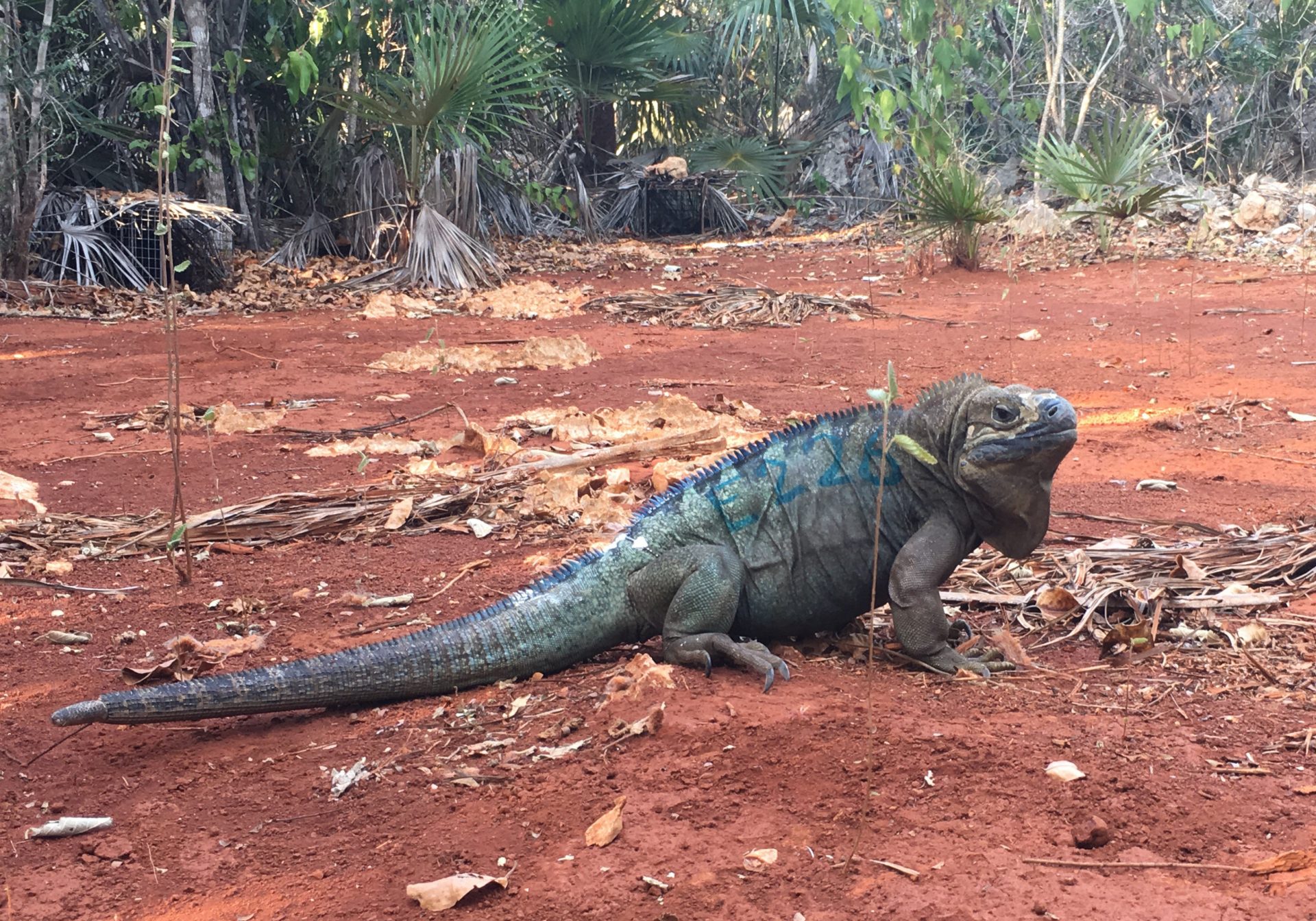
We are at risk of entirely losing species such as the Jamaican Boa (snake), the Jamaican Iguana, the Jamaican bat, the ring-tailed pigeon, and many others too numerous to mention.
The list of endangered species is not confined only to land. Of note is the parrotfish which has been severely over-fished, along with several species of coral.
It is posited that over 8,000 species of plants and animals have been recorded in Jamaica and the island ranks fifth among the world’s islands in terms of endemic species.
However, we are vulnerable to many of the global pressures which have adversely impacted our natural resource base, on which key economic sectors such as tourism and fisheries are dependent.
The threats include changes in land use; pollution; encroachment on natural habitats; the hunting and harvesting of endemic species such as the black-billed parrot for sale as exotic pets; over-harvesting of fish and other marine resources; as well as the prevalence of invasive species.
Many of our endangered endemic species also inhabit specific areas, which are vulnerable to man-made impacts. For example, how many times have we seen news stories of crocodiles being sighted near housing developments along our coastal areas? Because we have encroached on their natural habitats, they return to their old haunts.
Can we live side by side with our non-human neighbours without endangering them further?
PROTECTED AREAS
One answer lies in declaring specific protected areas, which provide safe habitats for plants and animals and contribute to the preservation of biodiversity. The Ministry of Economic Growth and Job Creation (MEGJC) is working assiduously towards this goal.
The Ministry is in the process of finalizing protected areas legislation. The updated Protected Areas Policy will complement related national policies and plans including the Forest Policy, and the Protected Areas System Master Plan.
Jamaica, as a member of the High Ambition Coalition, is also actively working to achieve the 30×30 targets aimed at fighting the triple threats of biodiversity loss, environmental degradation, and climate change, by 2030.
With the declaration of 78,000 hectares, in the Cockpit Country as a protected area, approximately 25% of our land is protected. We are well on the way to achieving our land protection targets.
The Government has also declared the Black River land and seascapes, approximately 207 square kilometers, under the country’s principal environmental legislation and has completed the work to declare 882 square kilometers of the Pedro Cays and surrounding waters, as a protected area.
By actively working to achieve the protection of 30% of our landmass and 30% of our marine area, Jamaica is demonstrating not only its ambition but also its commitment to the environment.
INCREASING OUR RESILIENCE
One of the big threats that we must tackle is the issue of resilience to the impacts of climate change which affects our ecosystems.
To this end, the MEGJC along with the National Environment and Planning Agency, (NEPA) and the Forestry Department, have conducted a national mangrove assessment and are in the process of finalizing the implementation plan.
We have placed increased focus on mangroves not only because they stabilize the coast but are also one of the most effective forests for reducing greenhouse gases through carbon capture, which lessens the impacts of climate change.
Attempts are also being made to restore seagrass beds, while the NEPA is continuously tracking the health of our coral reefs.
THE BIGGER PICTURE
The interventions being undertaken by the MEGJC are critical, given the rate of species loss globally.
The preservation of our biodiversity is critical to the preservation of our natural history, our culture, and our lives in general. However, more than government intervention is needed.
The MEGJC looks forward to partnerships and collaborations with key stakeholders in the public and private sectors, as we chart the way toward an ambitious post-2020 global biodiversity framework.
Species such as the Jamaican Boa, the American Crocodile, and the Jamaican Iguana, are a part of our cultural heritage and make us uniquely Jamaican. Your actions are critical in reducing the threats to these and other species.
Written by the Public Relations and Communications Branch (2023)
WATER RESILIENCE: A CASE FOR ALL STAKEHOLDERS
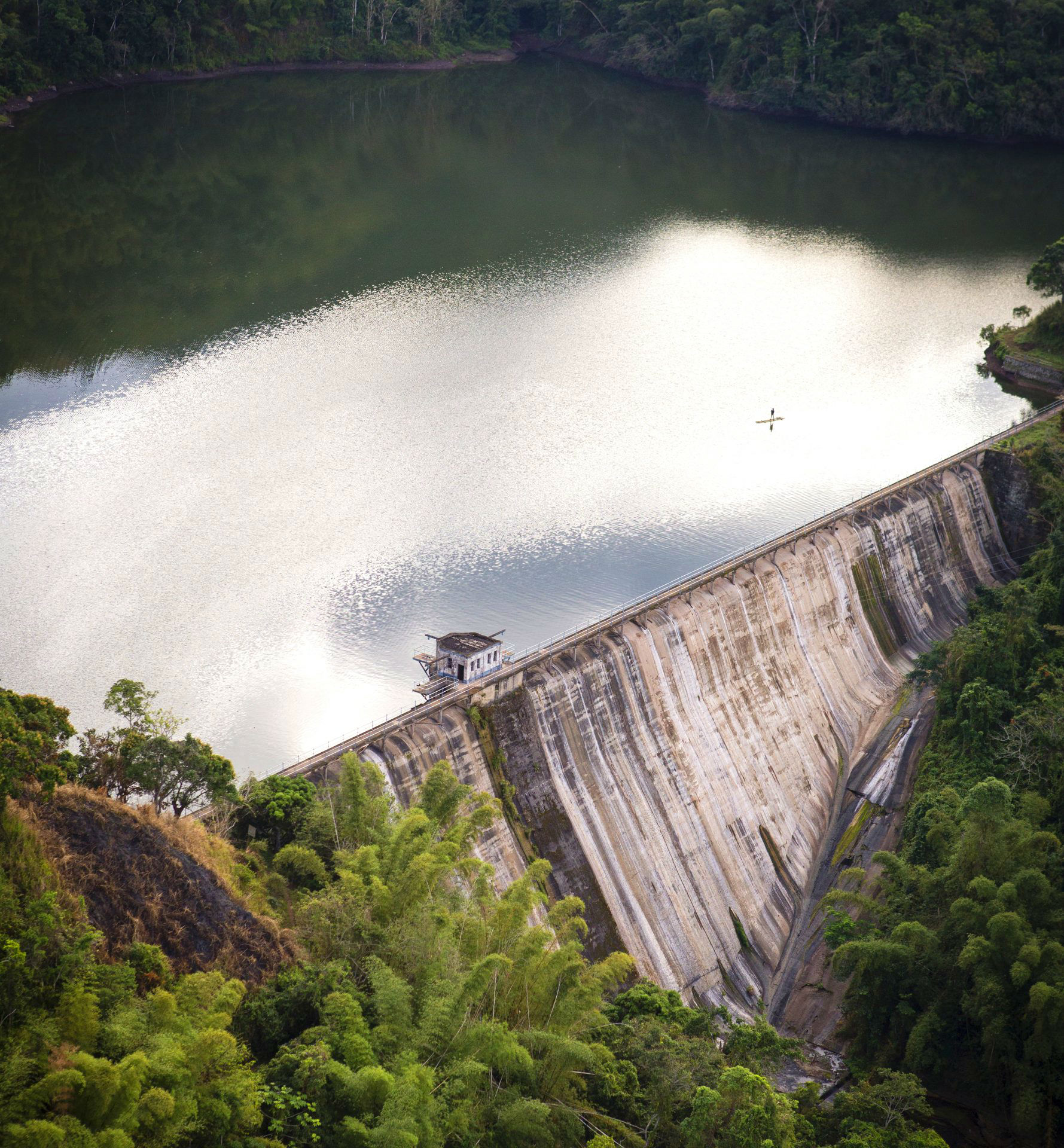
Water is everybody’s business and is connected to everything we do. Water is essential to Jamaica’s sustainable development and is the basis upon which many of our sectors are built.
The quality of water that we receive begins with the quality of our raw water. The Water Resources Authority (WRA) continues to support the Government in securing the sustainability of Jamaica’s water resources and the resilience of the nation to droughts and floods.
Several years of underinvestment have led to a poor distribution network and aging infrastructure, which left thousands either without potable water or an inconsistent supply. The connectivity between the government and citizens on this very important issue is slowly being rebuilt.
What is the Government doing?
The Government, through the Ministry of Economic Growth and Job Creation (MEGJC), has taken tangible and substantial steps to address the challenges within the sector. The MEGJC has portfolio responsibility for the major water agencies, the Water Resources Authority, and the National Water Commission (NWC), as well as the Central Wastewater Treatment Company Limited, a subsidiary of the NWC, which provides sewerage services.
The GOJ’s vision for the management of the nation’s water resources is guided by the National Water Sector Policy and Implementation Plan 2019 (NWSP). The NWSP aims to ensure that the country’s water resources are managed sustainably and integrated to facilitate the population’s universal access to potable water and adequate sanitation by 2030. The goal is to ensure that Jamaica’s water resources are effectively managed to provide for our nation’s social, economic, and environmental well-being, now and in the future.
Minister with responsibility for Water in the MEGJC, Sen. the Hon. Matthew Samuda has been hard at the task of extending the water footprint across the island by “turning on the pipes”, and distributing tanks under the NWC’s Tank and Pump Rehabilitation for Operational Efficiency Improvement Programme.
In 2022, the MEGJC, through the NWC, completed water projects in every parish representing $4 billion of Capital Investment which provided upwards of 150,000 Jamaicans with access to a more reliable and consistent water supply. This financial year, the NWC expects to complete projects representing more than $ 7 billion of capital investment which will benefit thousands more Jamaicans.
However, the Government is not resting on its accomplishments but continues to take further steps towards increasing access.
ENERGY
The launch of a solar plant at Mona Reservoir will, among other benefits, realize energy savings in excess of one billion dollars ($1,000,000,000) a year over an 18-month period. The aim is to reduce the consumption of energy from fossil-based fuels and reduce the overall cost of energy used in the production of water which will result in a more effective and efficient service to Jamaicans.
NON-REVENUE WATER
The NWC has also partnered with water specialists, MIYA, in a Non-Revenue Water (NRW) Reduction Programme for the parishes of Portmore and Kingston & St. Andrew. Since the implementation of the NRW in 2022, Portmore has seen a 26% reduction in water losses while the project has surpassed its target of 60% in the KSA. There is a planned rollout of the island wide NRW programme in the short to medium term.
Drought mitigation measures
Notwithstanding the Government’s efforts to provide fit-for-purpose infrastructure for storage and distribution to its customers, rainfall is a major element required for a consistent water supply, that is beyond the agency’s control.
All reports indicate that Jamaica is currently experiencing the worst drought since 2014, with the Meteorological Services reporting that the island started experiencing reduced rainfall as early as October last year recent reports indicate that the reduction in rainfall has since worsened, with the island receiving a mere 28% of its 30-year average rainfall in February 2023.
The Government has been proactive and in February, the Prime Minister announced a JM$150million allocation for Drought mitigation from the MEGJC of which:
- $ 35 million was allocated to the Ministry of Local Government and Rural Development to facilitate trucking by municipalities.
- $ 20 million for the purchasing of blank tanks to support affected communities and
- $ 95 million to the NWC to facilitate trucking through their systems to customers and critical infrastructure.
In addition, the MEGJC is improving water security for at-risk communities, particularly in rural areas, through the delivery of 50,000 black tanks over a three-year period. Distribution will begin with 13,000 in July, this year. The distribution of the tanks will have a rainwater harvesting component with the government providing guttering and collection.
What can citizens do?
Yet, the Government’s efforts will amount to nothing if the citizens are not playing their part.
How? The easiest ways are by planting more trees, practicing proper disposal of waste, investing in rainwater harvesting infrastructure, and employing sustainable irrigation practices.
Paying their bills on time is another method of ensuring the sustainability of the water supply. When customers pay their bills, the NWC in turn can put that money into well-needed infrastructure and energy projects that benefit citizens.
Reporting illegal connections and leakages or broken pipes are also steps that can be taken to assist with the efficient distribution of water.
We are still a long way from where we should be but under the guidance of the legislation along with the guidance of the portfolio Ministry and Agencies, the water sector is finally receiving the attention it deserves.

=